







.jpg)

In Q2 2026, housing prices in Bulgaria rose by 15.5% compared with the same period last year, while the number of transactions fell by 18.1%. The market is becoming calmer, giving buyers more time to choose and negotiate.
Housing prices in Bulgaria continue to rise, but the market itself is already behaving differently than before. According to Bulgaria’s National Statistical Institute, property prices in Q2 2026 rose by 15.5% compared with the same period last year. At the same time, the number of transactions fell by 18.1%.
The contrast is clear. Prices are moving upwards, but buyers no longer seem willing to make decisions as quickly as before. They have become more cautious, compare options more often and pay closer attention to the terms of the transaction.
For anyone planning to buy an apartment in Bulgaria, this is an important development. Until recently, strong demand often forced buyers to act quickly: an attractive property could disappear from the market within a short time, and negotiating the price with the seller was not always possible. The market is now gradually becoming calmer.
Prices are rising, but not at the same pace everywhere
In Q2 2026, housing prices in Bulgaria increased by a further 4.5% compared with the previous three months. A look at individual cities, however, reveals an uneven picture.
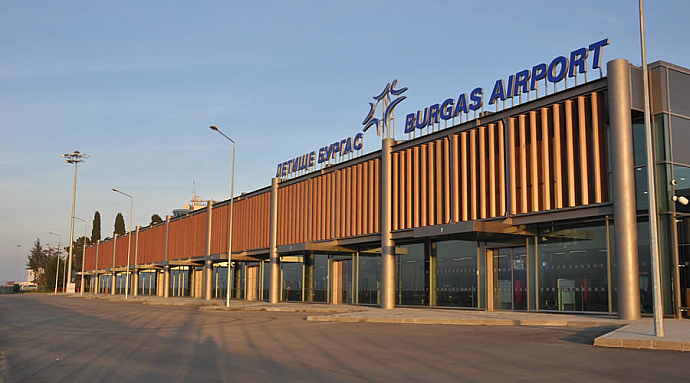
Prices rose by 2.8% over the quarter in Varna and by 2.4% in Sofia. Burgas stands apart from the broader trend: the NSI recorded a 1.5% decline there compared with Q1 2026.
Notably, the situation was entirely different one quarter earlier, when prices in Burgas rose by 5.9%.
Does this mean that property in Burgas or on the Bulgarian coast is starting to fall sharply in price? No. A single quarter is not enough to draw that conclusion. However, the previous uniform growth across all market segments is no longer visible, which in itself deserves attention.
Transactions have fallen noticeably
The sales statistics are even more striking. In Q2, the number of housing transactions in Bulgaria fell by 18.1% compared with the same period in 2025.
The decline in activity was even more pronounced in the major cities. Sales fell by 24.7% in Burgas and by more than 20% in both Varna and Sofia.
This is where the situation becomes especially interesting for buyers. When transactions take longer, sellers sometimes have to wait longer for the right buyer. It therefore makes sense not to rush into the first appealing option, but to compare listings carefully, review the property’s history and discuss the terms.
This is particularly true of the secondary market. If a flat or apartment has been listed for a long time, the owner may be more open to discussing the price, furniture, payment schedule or other terms of the deal. Not always, of course, but there is now more room for negotiation.
Buyers can take more time
The main change in the market is not a sudden fall in prices. On an annual basis, property in Bulgaria is still becoming more expensive. What is changing is the pace and the behaviour of market participants.
The period when attractive properties had to be purchased almost in a rush is gradually giving way to a calmer environment. There are fewer transactions and buyers are choosing more carefully. Importantly, they now have more time to compare options and negotiate.
Burgas and resort property along the coast deserve particular attention. A 1.5% quarterly price decline in the city, combined with a 24.7% drop in sales, shows that the market is already responding to weaker buyer activity.
Waiting for an inevitable, large-scale fall in prices is therefore not the only possible strategy. It is far more practical to examine individual offers carefully. Even if the market as a whole continues to grow, a particular property may now be available on more flexible terms than it was only a few months ago.