






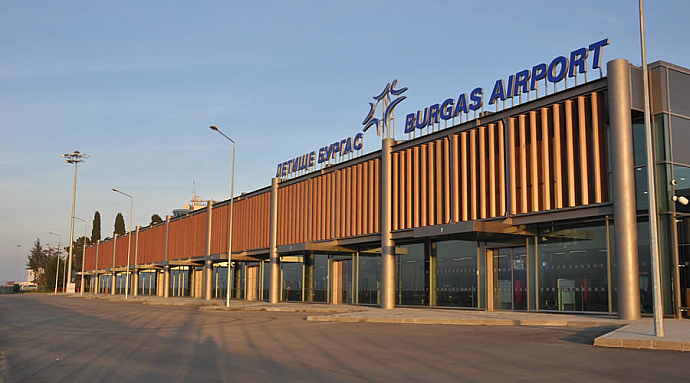

.jpg)




Updated on 10 August 2026. The useful regional framework remains, and the article now includes a clearer way to compare locations. Climate figures depend on the reference period and observation point, so before choosing a specific property, compare data for the exact locality and, if possible, visit during the seasons that matter to you.
Choosing a Bulgarian region is not simply a choice between sea, mountains and capital. A place that seems easy to live in during a summer viewing can be very different during an ordinary week in winter. The useful question is therefore not, "Which region has the best climate?" It is, "Which seasonal trade-offs can I live with, and does the place still work when the holiday atmosphere is gone?"
This guide turns climate into a practical location decision. It does not rank regions or predict the weather. Instead, it helps you compare seasonality with transport, healthcare, shopping, work, schools, social life and the rhythm you want at home.
Start with the week you will actually live
Picture a normal Tuesday rather than a perfect holiday. Where will you buy groceries? How will you reach a doctor, school, station or airport? Will you need a car for every errand? What happens to your routine when it rains, becomes windy or road conditions change? These questions connect climate with daily life.
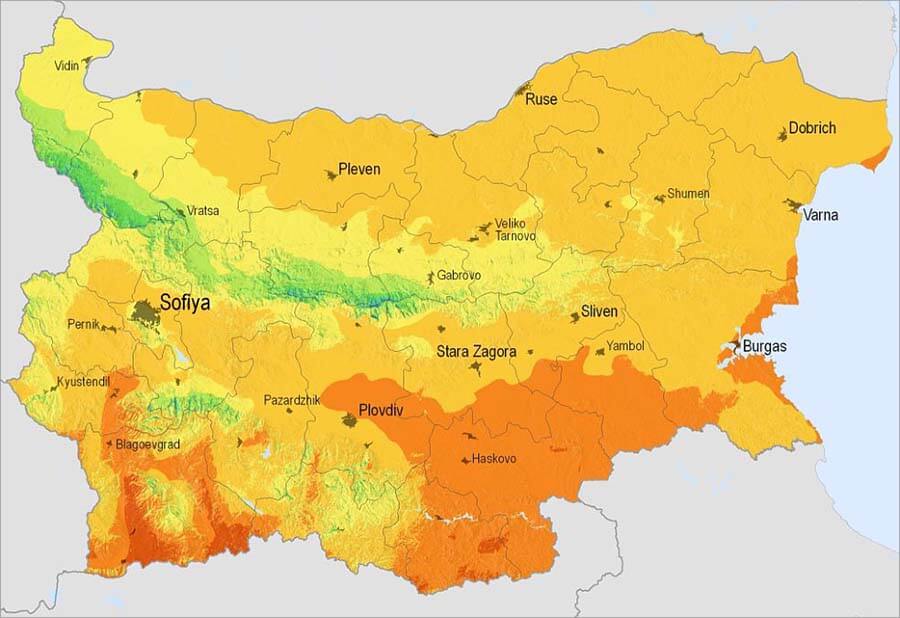
Climate normals are long-term reference values for a defined place and period. They are useful for comparison, but they do not tell you what the weather will be on a particular day. A regional average can also hide differences caused by altitude, exposure, distance from the sea and the position of a specific neighbourhood. That is why a precise address matters more than a broad label such as "coast" or "mountains".
A decision matrix for your shortlist
| Area to consider | What may attract you | What to test in person | Useful second visit |
|---|---|---|---|
| Sofia and the west | Urban routine, work and a wide range of everyday services | Neighbourhood exposure, winter mobility, commuting and indoor air quality | A weekday in the colder part of the year |
| Northern Black Sea coast | Sea access and a quieter coastal rhythm | Wind exposure, off-season transport and year-round services | A windy shoulder-season week |
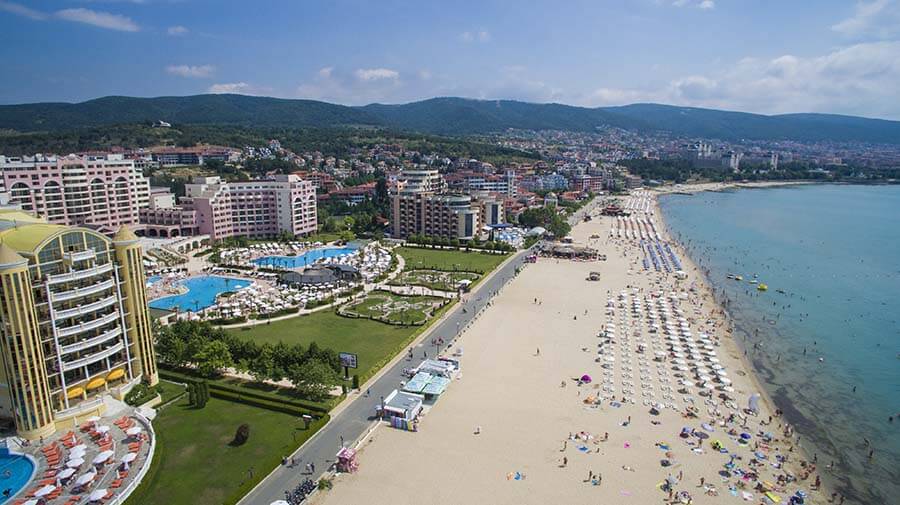
| Southern Black Sea coast | Coastal life with several different settlement types | Summer pressure, winter opening hours and access without a car | One visit outside the main visitor season |
| Plovdiv and the Thracian lowland | City life, inland travel and a different pace from the capital | Summer comfort inside the home, shade and daily routes on foot | A warm period and an ordinary working week |
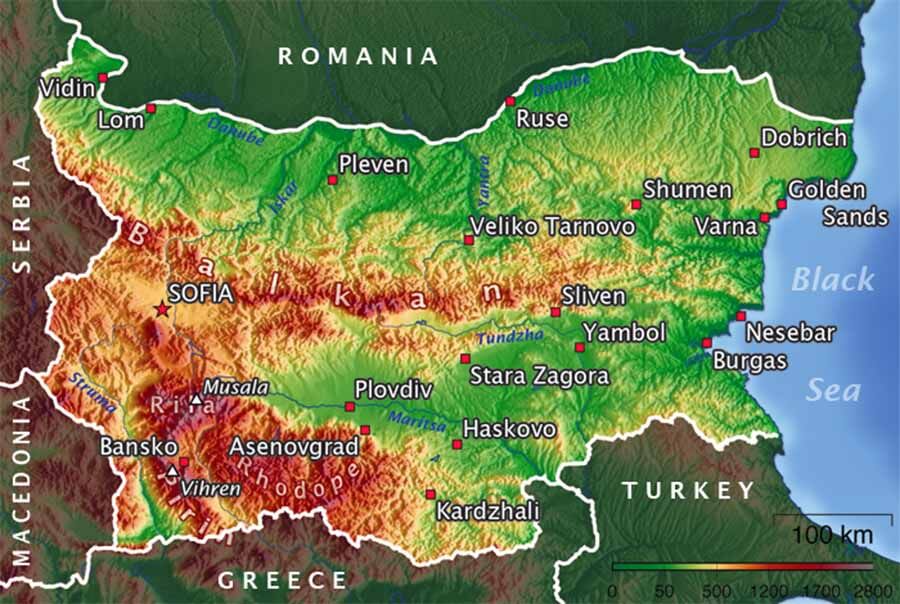
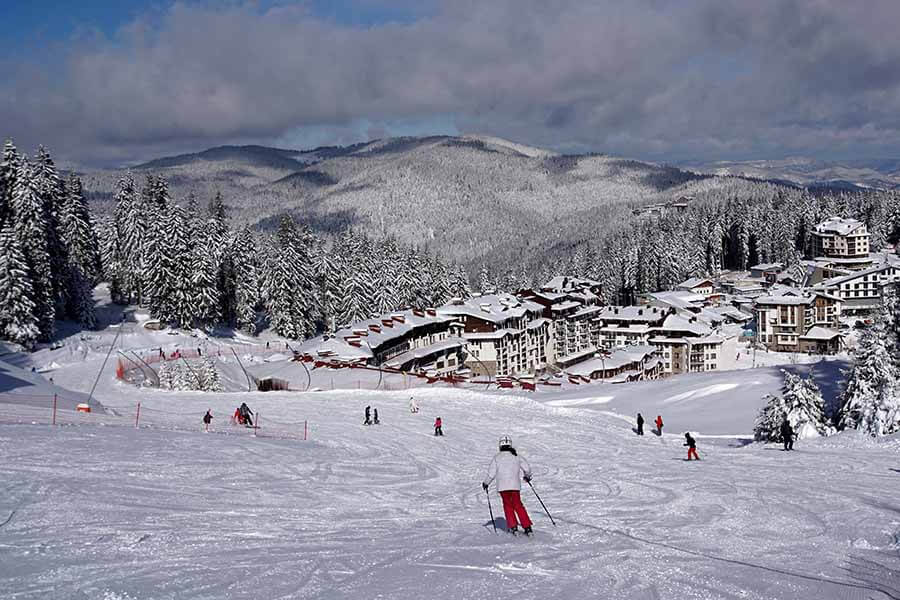
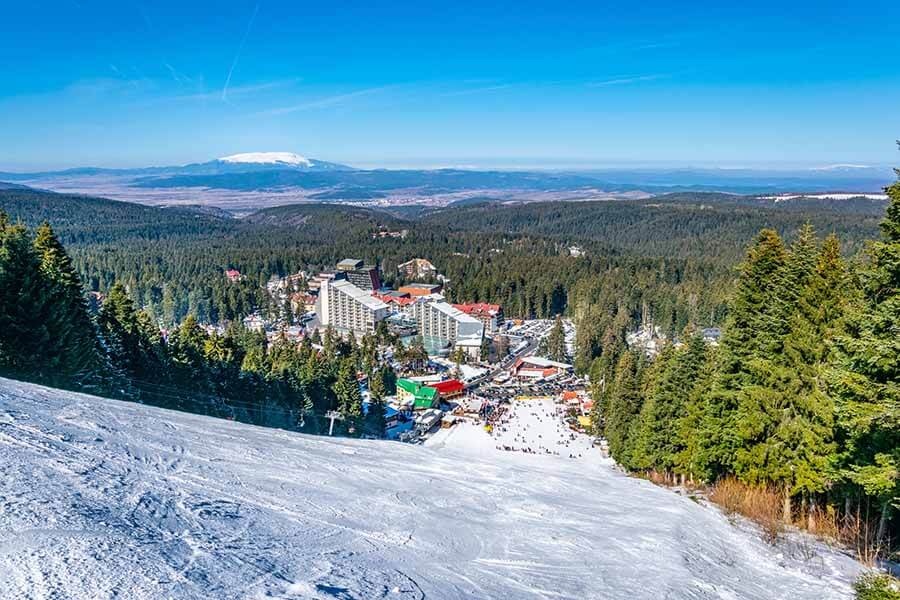
| Southwest and mountain areas | Landscape, outdoor life and smaller communities | Altitude, snow access, heating, road maintenance and access to medical care | After difficult weather, not only on a clear weekend |

Five regional profiles for a first comparison
- Sofia and the surrounding west. Put this area on your list if an urban routine, professional connections and frequent services matter more than a resort setting. Compare central and peripheral neighbourhoods separately. During a viewing, note sunlight, building orientation, ventilation and the route you would use on a cold or wet weekday. Ask residents how reliably that route works through the year. A short walk on a map may become a demanding daily journey when weather and traffic combine.
- The northern Black Sea coast. This area is worth considering if you want the sea nearby but do not need a dense capital-city routine. Do not judge it from a calm summer afternoon. Check wind exposure at the building, the distance to everyday shops and healthcare, and which transport links operate outside the busiest visitor months. If possible, view the apartment after it has been closed up for a while, inspect signs of moisture, and ask for documents about maintenance rather than relying on a fresh interior finish.
- The southern Black Sea coast. The southern coast includes large towns, smaller communities and purpose-built holiday areas, so the settlement type matters as much as the coastline. Decide whether you want year-round street life or seasonal quiet. Walk the route to groceries and public transport in the evening. Ask what remains open in winter, how the building is managed, and whether noise, parking or visitor traffic changes your daily use in summer.
- Plovdiv and the Thracian lowland. Consider this inland option if you want city amenities without making the coast part of every day. Test how the home handles a warm period: shade, cross-ventilation, upper-floor exposure and the condition of cooling equipment. Then examine the ordinary route to work, school or healthcare. A pleasant historic centre does not describe every residential district, so compare neighbourhoods by the routine you will actually follow.
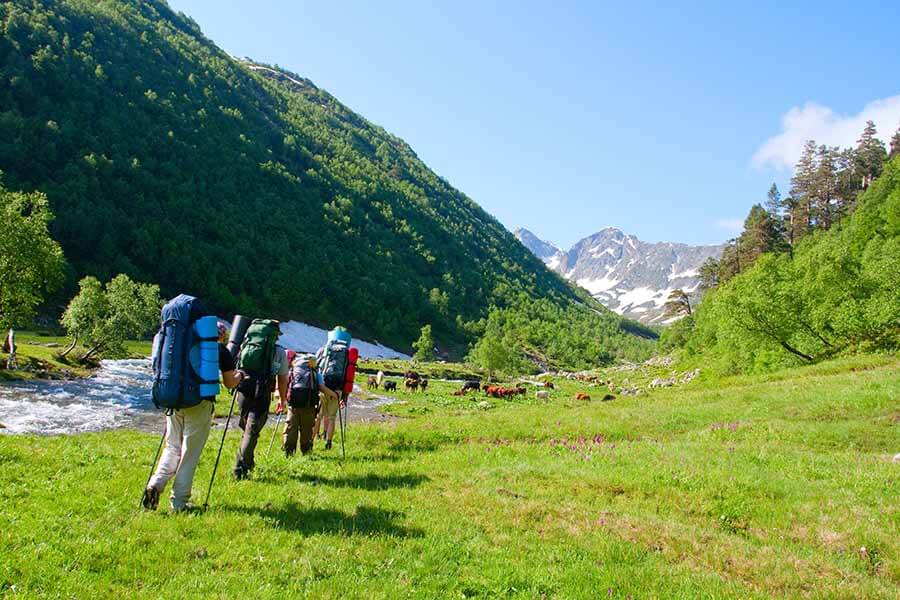
- Southwest Bulgaria and mountain locations. Mountain surroundings can suit people who value outdoor access and a smaller-town rhythm. The practical questions are sharper here. Check the road to the property, slope, drainage, heating system, fuel or energy supply, mobile coverage and distance to urgent care. Ask who clears shared access and what happens after heavy weather. A beautiful view is useful only when the home remains reachable and comfortable during the season you plan to spend there.

Archive from the 2013 page: monthly city values

| Month | Nessebar | Burgas | Varna |
|---|---|---|---|
| September | +25 / +13 | +24 / +17 | +24 / +14 |
| October | +19 / +9 | +18 / +12 | +19 / +9 |
| November | +13 / +4 | +12 / +8 | +13 / +5 |
| Month | Plovdiv | Sofia |
|---|---|---|
| September | +26 / +13 | +23 / +10 |
| October | +19 / +8 | +16 / +5 |
| November | +12 / +3 | +8 / 0 |
| Month | Nessebar | Burgas | Varna |
|---|---|---|---|
| December | +8 / 0 | +10 / +4 | +7 / +1 |
| January | +7 / -2 | +9 / +1 | +5 / -2 |
| February | +9 / -1 | +10 / +1 | +6 / -1 |
| Month | Plovdiv | Sofia |
|---|---|---|
| December | +7 / -1 | +4 / -4 |
| January | +5 / -3 | +3 / -5 |
| February | +8 / -1 | +6 / -4 |

| Month | Nessebar | Burgas | Varna |
|---|---|---|---|
| March | +12 / +2 | +13 / +5 | +9 / +2 |
| April | +17 / +6 | +18 / +9 | +15 / +6 |
| May | +22 / +11 | +23 / +13 | +20 / +11 |
| Month | Plovdiv | Sofia |
|---|---|---|
| March | +13 / +2 | +12 / 0 |
| April | +18 / +6 | +17 / +5 |
| May | +24 / +11 | +21 / +9 |
| Month | Nessebar | Burgas | Varna |
|---|---|---|---|
| June | +26 / +15 | +27 / +18 | +25 / +15 |
| July | +29 / +15 | +29 / +20 | +28 / +17 |
| August | +28 / +17 | +29 / +20 | +28 / +17 |
| Month | Plovdiv | Sofia |
|---|---|---|
| June | +28 / +15 | +25 / +13 |
| July | +31 / +17 | +28 / +14 |
| August | +30 / +17 | +28 / +14 |
Administrative and geographic context retained from the dated page
The 2013 page described Bulgaria as divided into 28 administrative districts and 264 municipalities. It grouped the Black Sea destinations through Dobrich district, including Krapets, Albena and Balchik; Varna district, including Varna, Golden Sands and Saints Constantine and Helena; and Burgas district, including Sozopol, Burgas, Sunny Beach and Nessebar. It also stated that mountainous areas covered about 60% of Bulgaria and that Bansko was 160 km from Sofia and had a 5 km ski run. These are dated claims from the 2013 article, not a complete legal, geographic or resort record, and should be checked before practical use.

How to test a region before committing
- Choose two visits with different purposes: one in your preferred season and one in the season you expect to find hardest.
- Stay in the neighbourhood, not only in a nearby hotel or resort centre.
- Repeat your likely daily routes at realistic times, including a grocery trip and access to healthcare or transport.
- Inspect the home after rain or difficult weather if possible. Look at drainage, windows, ventilation, shared access and indoor comfort.
- Ask for energy bills and maintenance records for comparable occupied periods. Do not treat a verbal estimate as proof.
- Check recent official observations and climate normals for the nearest suitable station. Record the station, reference period and retrieval date.
Sources and method
The World Meteorological Organization explains climatological normals as reference benchmarks tied to a defined period and location. The NIMH publication from 2019 is titled Mapping temperature and precipitation climate normals over Bulgaria by statistical downscaling. It is cited here as a Bulgarian example of mapped climate normals, not as evidence for conditions at a particular address.
These sources support the method used here: compare like with like, name the period and place, and keep climate reference data separate from a current forecast. The monthly values above remain only as the dated 2013 page archive because the page did not identify their reference period, stations or source. If you need numbers for a property decision, retrieve them from an official source and preserve their context.
A calm way to make the choice
No region needs to win in every season. It needs to support the life you are actually planning. Narrow the map to two or three places, write down the trade-offs you can accept, and test each place when it is least likely to impress you. If the daily routes, home and services still work then, climate becomes a manageable part of the decision rather than a slogan.