









.jpg)


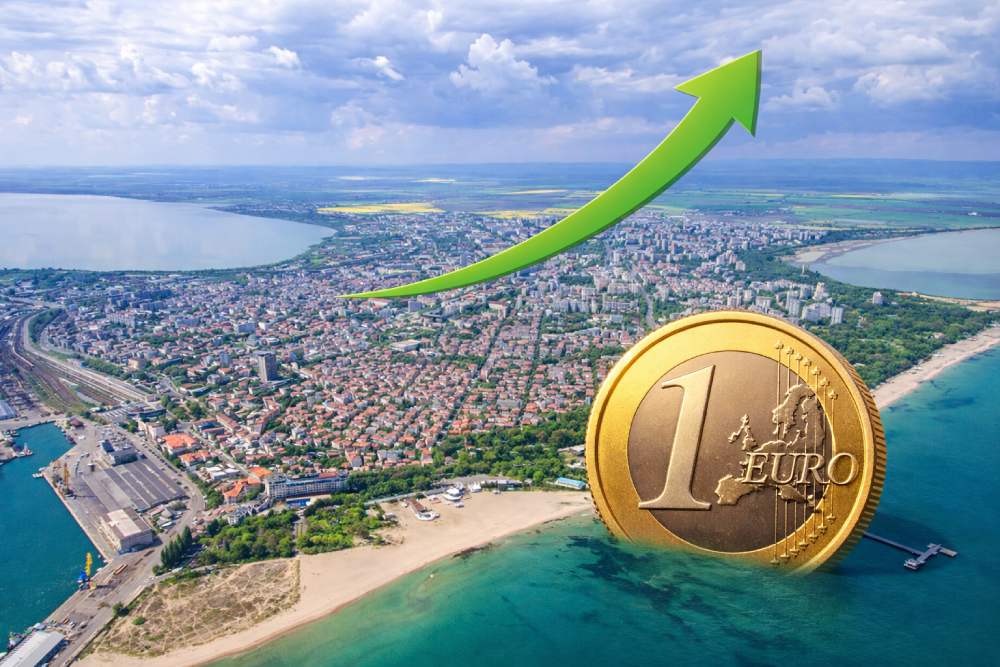
As of January 1, 2026, Bulgaria officially joined the Eurozone, cementing the Euro as its national currency. Since February 2026, the Euro has been the sole legal tender for cash transactions. The Lev can still be exchanged at banks until June 2026.
For the real estate market, this is a game-changer: deals, income, and expenses are now strictly calculated in Euros—meaning zero currency conversion and zero exchange rate risk.
One Month Later: The Market Reality Check
Preliminary data for January 2026 shows a sharp spike in market activity compared to late 2025. The highest transaction volumes are, as always, concentrated in Sofia, Varna, and Burgas.
Official 2025 figures already showed steady growth, and this January surge proves the momentum is here to stay.
We are also seeing a massive wave of interest from foreign buyers, primarily from the EU. The math is simple: the Euro adoption wiped out the currency risk that previously held investors back.
- Highly liquid properties are selling out fast.
- Room for negotiation and discounts is shrinking.
- Fierce competition in the mass-market segment (under 180,000 €).
- The bottom line for buyers: Premium properties do not sit on the market. Act fast.
Previously, investors had to price in potential currency fluctuations. That risk is gone. Everything is pegged and paid in Euros.

Where the Euro is Already Pumping Up Prices
SofiaThe capital's average price is hovering around 2,450–2,500 € per m². Prices were already climbing in 2025, and analysts are projecting a solid 8–12% bump in 2026, assuming EU economic stability.
The Post-Euro Impact:- Deal cycles are much faster.
- Discounts are evaporating.
- Bidding wars are becoming more common.
This rising competition is pushing the entry barrier higher and killing lowball offers.
Varna and BurgasCoastal cities thrive on European demand. With the Euro in play, comparing a Bulgarian beachfront condo to one elsewhere in the EU is effortless. This shoots up liquidity but also heavily ties the local market to tourism trends and the broader European economy.
The Sub-180,000 € SegmentThis is the absolute hottest price bracket. Discounts vanish instantly here, and competition is fierce. The Euro cuts out currency uncertainty, but the classic supply-and-demand rule is what’s really driving the heat.
How to Capitalize on the Euro Boom
Leverage the Mortgage-to-Yield Spread
A Euro mortgage in 2026 sits roughly between 2.5–4% annually (depending on the bank and borrower profile). Meanwhile, average rental yields in Sofia are delivering around 4–6%. If your mortgage rate is lower than your rental income, the property pays for itself and can even generate positive cash flow.
Target High-Liquidity Zones
The most bulletproof segments right now:
- Sofia (new builds and rental units)
- Varna and Burgas
- Any solid property under 180,000 €
Calculate Pure Euro ROI
The formula is now idiot-proof: ROI = (Rent − Expenses) / Purchase Price. Play the long game: plan for a holding period of at least 3–5 years. After the initial price pump, the market might cool off or correct slightly, making short-term flips (6–12 months) highly risky.
Crucial Risks to Factor In:- Eurozone inflation (2–3% or higher).
- Aggressive competition from foreign investors.
- Priced-out local buyers as entry thresholds rise.
- The inevitable market correction after the initial hype settles.
The Euro makes the Bulgarian market vastly more stable, but it doesn't cancel out natural real estate cycles.

