







.jpg)




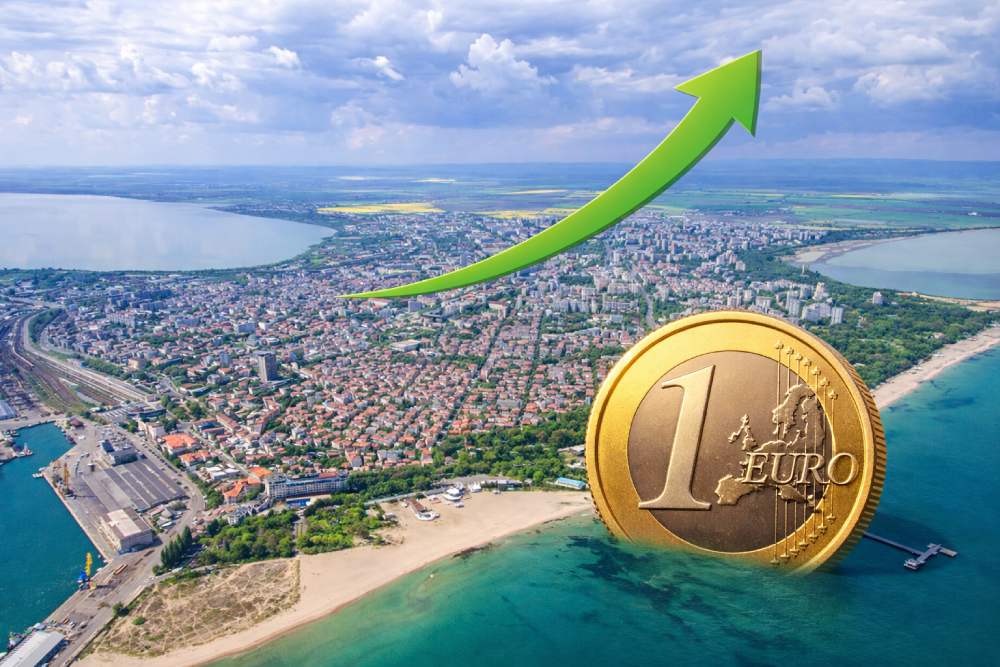
As of January 1, 2026, Bulgaria officially joined the Eurozone, making the euro its national currency. Since February 2026, the euro has been the sole legal tender for cash transactions. The lev can still be exchanged at banks until June 2026.
For the property market, this means that transactions, income and expenses are denominated in euros, removing domestic currency-conversion costs and exchange-rate risk between the lev and the euro.
One Month Later: Early Market Signals
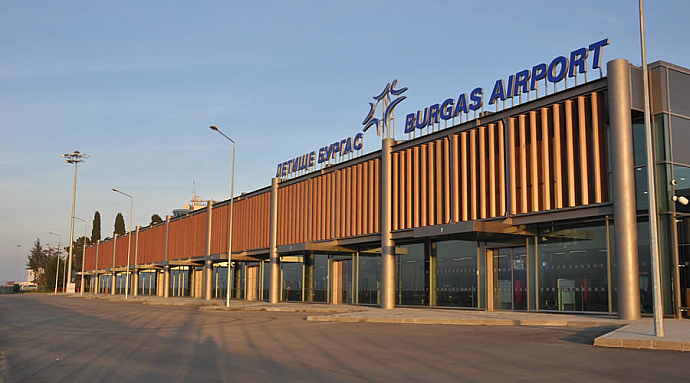
Preliminary data for January 2026 shows an increase in market activity compared to late 2025. The highest transaction volumes remain concentrated in Sofia, Varna, and Burgas.
Official 2025 figures already showed steady growth, and January’s figures indicate that activity remained strong.
We are also seeing increased interest from foreign buyers, primarily from the EU. The reason is straightforward: euro adoption removed the lev-to-euro currency risk that previously concerned some investors.
- Well-located, easy-to-sell properties are moving quickly.
- Room for negotiation and discounts is shrinking.
- Strong competition in the mass-market segment (under 180,000 €).
- For buyers, this means that the best properties may not remain on the market for long, so comparisons and document checks should be prepared in advance.
Previously, investors had to price in potential currency fluctuations. That specific risk has been removed because prices and payments are now in euros.

Where Prices Are Already Rising
SofiaThe capital's average price is hovering around 2,450–2,500 € per m². Prices were already climbing in 2025, and analysts are projecting an 8–12% increase in 2026, assuming EU economic stability.
Early Market Effects:- Deal cycles are much faster.
- Discounts are becoming less common.
- Competing offers are becoming more common.
This competition is raising entry prices and reducing the scope for substantially lower offers.
Varna and BurgasCoastal cities thrive on European demand. With prices in euros, it is easier to compare a Bulgarian coastal apartment with properties elsewhere in the EU. This may improve liquidity, but it also links the local market more closely to tourism trends and the broader European economy.
The Sub-180,000 € SegmentThis is the most competitive price bracket. Discounts are limited and competition is strong. The Euro cuts out currency uncertainty, but the classic supply-and-demand rule is what is driving demand.
How to Evaluate the Opportunities
Compare Mortgage Costs with Rental Yield
A Euro mortgage in 2026 sits roughly between 2.5–4% annually (depending on the bank and borrower profile). Meanwhile, average rental yields in Sofia are around 4–6%. If rental income exceeds financing and operating costs, the property may generate positive cash flow.
Target High-Liquidity Zones
The most liquid segments at present:
- Sofia (new builds and rental units)
- Varna and Burgas
- Well-located properties under €180,000
Calculate the Return in Euros
The basic formula is straightforward: ROI = (Rent − Expenses) / Purchase Price. Consider a holding period of at least 3–5 years. After the initial price rise, the market may cool or correct, so short-term resales within 6–12 months carry greater risk.
Key Risks to Consider:- Eurozone inflation (2–3% or higher).
- Competition from foreign investors.
- Reduced affordability for local buyers as entry prices rise.
- The possibility of a market correction after the initial adjustment period.
The euro makes pricing and transactions more predictable, but it does not remove normal property-market cycles.

