







.jpg)




Prospective buyers often encounter outdated or oversimplified ideas about Bulgaria and its property market.
Here are four common claims and the more useful questions to ask before making a decision.
Myth 1: Bulgaria has not changed since the socialist period
Bulgaria has changed substantially, but development is uneven. A short visit can help a buyer compare locations, infrastructure and services rather than relying on stereotypes.
Consider several areas:
- Resort development. Black Sea and ski resorts continue to evolve, with new and renovated hotels, restaurants, leisure facilities and residential projects. The scale and quality vary by resort.
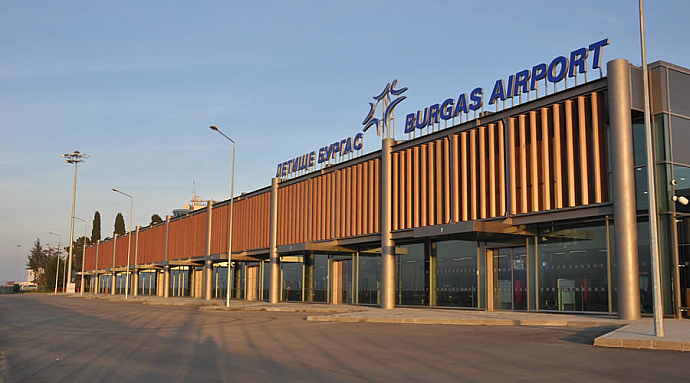
- Road infrastructure. Major roads have improved, but journey times depend on the route, season and traffic. Check the actual connection from a property to airports, towns and essential services.
- Environmental quality. Bulgaria has beaches and protected natural areas, but environmental awards and bathing-water ratings are specific to a place and year. Check current official information for the exact location.
- Property quality. New construction ranges from basic holiday apartments to high-end developments. International demand is not proof of quality: inspect the building, documents, common areas, management arrangements and completion status.
The market includes apartments, villas and hotels at many price levels. Resort complexes may offer pools, spas, restaurants and managed grounds; one large market is property in Sunny Beach, but facilities, service levels and annual fees differ greatly between complexes.
Room sizes, finishes and layouts also vary. Compare the specific unit and building rather than assuming all new-build property meets the same standard.
Myth 2: Everything in Bulgaria is cheap
Bulgaria can be less expensive than some European markets, but a low asking price usually has a reason. Location, condition, construction stage, legal status, annual fees and resale demand all affect value.
Some utility costs and everyday expenses may be lower than in other countries, but prices change and premium locations command premium prices. Set a complete budget that includes taxes, legal costs, maintenance and repairs, and compare similar properties before deciding.
Myth 3: Bulgaria is just like any other European country
Bulgaria is an EU member and part of the Schengen area, but it has its own legal procedures, administration, infrastructure and local market practices. Buyers should check the rules that apply to their nationality and transaction rather than assuming another country's process.
Transport and public services can also differ widely between Sofia, regional cities, villages and seasonal resorts. Visit the location and test the services you will actually use.
Myth 4: Property prices can only move in one direction
No property market is guaranteed to rise or fall. Bulgarian prices differ by region, property type, condition and buyer demand, while construction costs, finance and local supply can change the outlook.
A purchase should be assessed on price, intended use, rental assumptions, running costs and resale liquidity. Past price trends are not a guarantee of future returns.

