







.jpg)



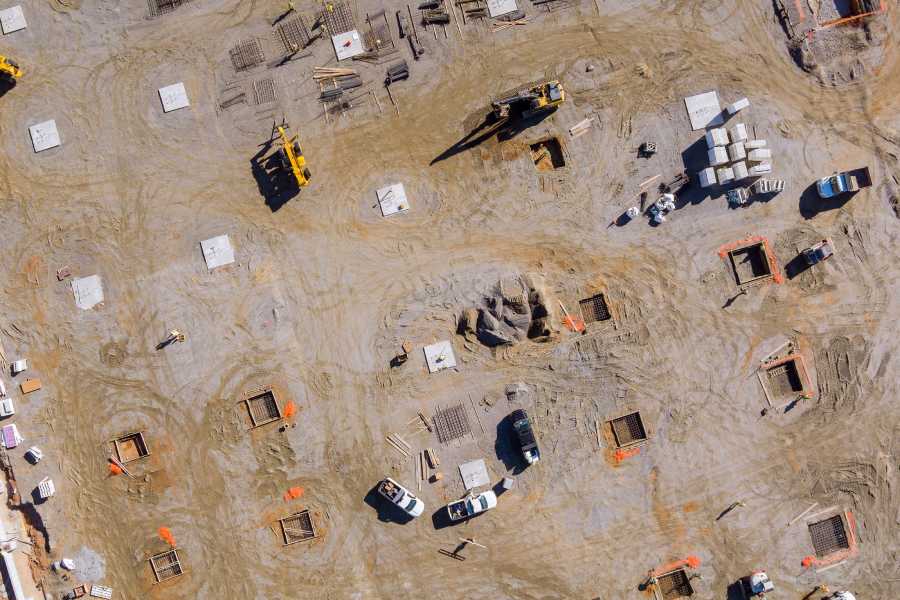
Buying off-plan in Bulgaria can cost up to 20% less than a completed home. Buyers are usually attracted by the potential for price growth and the option to pay in stages.
Buying at an early construction stage also carries financial risk. If construction stalls, part of the invested capital may be lost, so the developer’s finances, permits and delivery record should be checked before paying a deposit.
Navigation: Risks and Benefits| Section | Value for the Buyer |
|---|---|
| What lower prices may indicate | |
| Factors that may affect prices | |
| Mortgages and developer instalment plans | |
| Why buying off-plan requires checking electricity tariffs | |
| How we check off-plan developments |
Price Ranges – The Off-Plan Market Starts at 800 Euros

In 2026, buying at an early construction stage offers a lower entry price but requires careful legal, financial and construction checks.
- Below €800 per sq. m. A very low price may indicate compromises in materials, land documents or financing, with a higher risk of delay.
- €800–€1,000 per sq. m. This entry-level range may offer price growth, but the developer’s finances still require a thorough check.
- From €1,200 per sq. m. This range often includes developers with completed projects and may suit more cautious buyers.

Why Buyers Consider Off-Plan Property

A main reason to buy early is the potential for price growth during construction. Inflation pushes prices up by 15–20% per year of construction. An additional driver is Schengen accession, which increases demand and shortens the entry window for liquid lots.
In selected projects in Sveti Vlas, buying early fixes the current price. By completion in 2027, the property may be worth more.
Comparison of Options
Funds may be tied up for two to three years, and a quick resale may require a discount of up to 30%.
20–25% growth by completion and the ability to resell without losing value.
Liquidity matters more than the lowest starting price. A project with a strong delivery record is generally preferable to choosing solely on price.
Mortgage or Developer Instalments

Foreign buyers generally cannot obtain a mortgage at an early construction stage because banks require a completion document. Developer instalment plans are therefore more common.
How Stage Payments Work
- First Installment 20–30%. Used to reserve the property and agree the price.
- Payment by Stages. The balance is paid as construction progresses. Foundation, roof, finishing.
- Interest-Free Instalments. Payments are tied to the object's progress, without bank interest.
Typical Payment Schedule
| Stage | Installment | Purpose |
| Deposit | 2000 € | Reservation of a specific studio at an early construction stage |
| Start | 30% | Signing the contract and first installment |
| Construction | 60% | Equal payments quarterly or every six months |
| Keys | 10% | Final settlement at the notary |
This schedule is not a rigid rule. We often negotiate individual conditions for our clients, tying payments to the summer season or the sale of your other assets.
Project Completion – What You Get

Buying early fixes the price, but the apartment cannot be occupied until construction is complete. Depending on the contract, it may be delivered ready for furnishing or with completed interior work.
Unlike many countries where "bare walls" are delivered, here the market standard is full turnkey finishing.
What Will Be Ready by Key Handover
- Bathroom. Tiles, shower, toilet, faucets, and boiler. Everything installed and working.
- Walls and Floor. Laminate or tiles, painted walls.
- Electricity and Climate. Sockets, switches, outlets for air conditioners.
- Thermal Insulation. New houses are built to EU standards, reducing winter heating bills by 30–40% compared to old stock.

Even if it's an off-plan purchase, the ZUT law applies in Bulgaria. The developer is obliged to fix defects. If a faucet leaks or plaster crumbles, the construction company fixes it at their own expense.
Off-Plan Developments – Acts 14, 15, and 16
This is where inexperienced buyers lose money. It is important to understand the path your investment takes from excavation to habitable status.
Readiness Stages
Act 14 or Frame.
Walls and roof exist. Legally, you become the owner (receive a notary deed), but you cannot live in the house yet.
Act 15 or Readiness.
Construction is finished, water and light are connected. The main risk is hidden here. At this stage, the building is often connected to industrial electricity. The tariff is 2-3 times higher than usual.
Act 16 or Residential Building.
Final stage. Electricity and water move to household tariffs, and the property can be used as a completed home.
Check the meters before signing the acceptance document. If the building still uses commercial electricity tariffs, the higher utility costs may make the rental figures unworkable.
Remote Purchase Checks by BolgarskiyDom

The article states that 70% of transactions in 2026 take place remotely. For remote purchases, we use three main checks.
Our Checks
- Legal status. Checking the land for registered debt and mortgages.
- History. Analysis of actually completed buildings over the last 10 years.
- Hidden Costs. Calculation of taxes and maintenance fees.
Buying Off-Plan: Main Risks and Potential Benefits

An apartment at the excavation level is a tool for those who can count money but don't want to risk it in vain.
- Buying off-plan from a novice creates a risk of frozen construction.
- Bills of 300 euros per month for electricity at the industrial tariff (at Act 15 stage).
- Possible Resale Discount when attempting to urgently sell an illiquid object.
- Market Entry with 30% capital.
- Potential Price Growth by completion of 20–25%.
- Interest-Free Instalments without bank participation.
Have the property and developer checked before paying a deposit.