




.jpg)


This guide explains what to check when a Bulgarian property is advertised for €15,000, including legal status, building condition, location and maintenance costs. It also outlines typical purchase budgets and the instalment options mentioned in the article.
Bulgaria's property market in 2026 is very different from a decade ago. Inflation, Schengen accession and higher construction costs have raised the entry price. A budget of €15,000 now sits well below the usual market threshold, so offers in this range require especially careful legal and technical checks. In this segment, the remaining problematic properties can expose buyers to financial loss or endless litigation.
The starting price for resort property with normal resale potential is usually 2–2.5 times higher. At €15,000, buyers may encounter misleading listings or homes that are difficult to resell. This guide explains what can sit behind an unusually low asking price and what to check before paying a deposit. Trying to buy a home for the price of a used car can lead to fraudsters or an illiquid property: a miser pays twice.
What €15,000 Listings May Involve
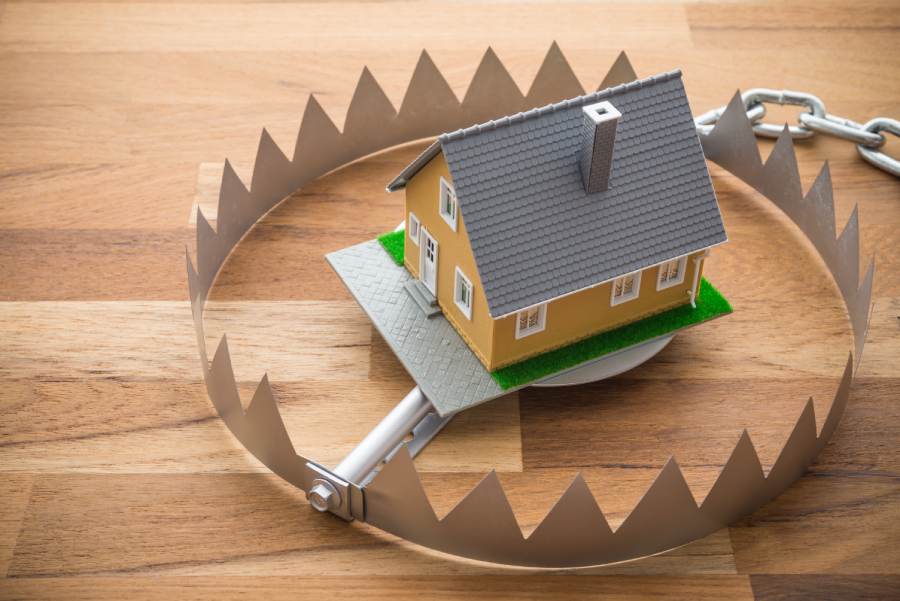
A very low price usually has a reason. At this budget, look closely for legal restrictions, building status and physical defects. A cheap purchase can become costly to own, repair or resell. In 2026, properties offered at this price have irreparable legal or physical defects. This is not an investment but a liability that drains money.
Common categories that need extra scrutiny:
Souterrain and Basement Units
These units may be registered as storage or garages rather than homes. They can have limited natural light, high humidity or mould and may not be eligible for residential registration. Their legal use and suitability for renting must be checked. Such premises cannot be used for living or rented out as homes.
Legal Restrictions
Some apartments have encumbrances, developer mortgages or court-imposed restrictions. Outstanding debts and third-party claims must be identified before purchase. You are buying someone else’s debts rather than just walls.
Buildings without Act 16
These buildings exist physically but have not been officially put into use. Electricity and water may be charged at commercial rates, which can be 3–5 times higher than household rates.
High Maintenance Fees
Some apartments are priced low in developments where annual maintenance costs €25–€30 per square metre. The lower asking price may reflect these ongoing costs. In these cases, the owner often wants to exit an asset with a high recurring financial burden.
Location and Infrastructure: What to Check

Location strongly affects resale demand. At €15,000–€20,000, offers are often in villages 15–20 kilometres from the coast. Some have limited roads, shops, medical services and public transport, so a car may be essential. Advertisements call them “quiet places”, but in reality these can be dying villages without roads, shops or medical care. Transport access is effectively nonexistent; without your own car, you can end up isolated.
Remote properties can be difficult to resell because demand is limited. The same applies to isolated developments built far from basic services. Check whether shared facilities are operating and whether the grounds are being maintained. Reselling such remote, dilapidated homes can be practically impossible, as demand approaches zero. These “houses in a field” may never have acquired infrastructure: the pool can remain out of service for years and the grounds can become overgrown because there is no maintenance.

Practical Advice
Check actual driving and walking routes rather than relying only on straight-line map distances. A stated 3 km to the sea in a straight line can turn into 10 km along a badly damaged dirt road. For everyday use, verify access to shops, pharmacies and public transport. If the budget is limited, compare instalment options with the total cost of owning a remote property. If your budget is limited, it is better to consider instalments on a quality property than to buy an illiquid home in an empty field.
Typical Budget for a Lower-Risk Purchase

For a studio suitable for living or renting, use current asking prices rather than figures from earlier years.
Typical asking-price ranges in 2026:
Typically start at €35,000–€40,000 for a resale property in a development with Act 16, standard furnishings and a reasonable maintenance fee.
Prices typically start at €50,000–€55,000, depending on the distance from the beach and the condition of the development.
In Nessebar or Pomorie, prices can be 20–30% higher because of year-round services and urban infrastructure.
Offers below these ranges require a thorough review by a lawyer and a building specialist. Saving €5,000–€10,000 on the purchase can mean having to invest another €20,000 in repairs and legalisation, making the deal pointless.



Important Check
Colleagues, miracles do not happen. In 2026, the distinction between “cheap” and “dangerous” has disappeared. If you see a property for €15,000 in a resort area, it is a 100% trap. It is either a space without residential status, a property marked for demolition, or one with huge debts to the management company. My job as director is to protect your capital, not sell you a problem. We do not even take on such properties, because we will not damage our reputation. A resort property should be checked for legal status, physical condition, debts and permitted use. Our policy is to recommend only properties that pass the required legal and technical checks.