







.jpg)
Planning to shop while visiting Bulgaria? This guide covers major shopping areas, markets, outlets and common souvenirs. Store names, tenants, opening hours and prices change, so verify current information before travelling.
Shopping Centres and Shops
Everyday goods can cost more in heavily visited resorts than in larger cities, but the difference depends on the shop, product and season.
Most shopping centres open seven days a week, but hours vary by location, tenant and holiday. Check the centre's official website for current times.
Some resort shops keep longer summer hours. Bulgaria offers both international brands and locally made clothing, crafts, cosmetics and food.
Sofia
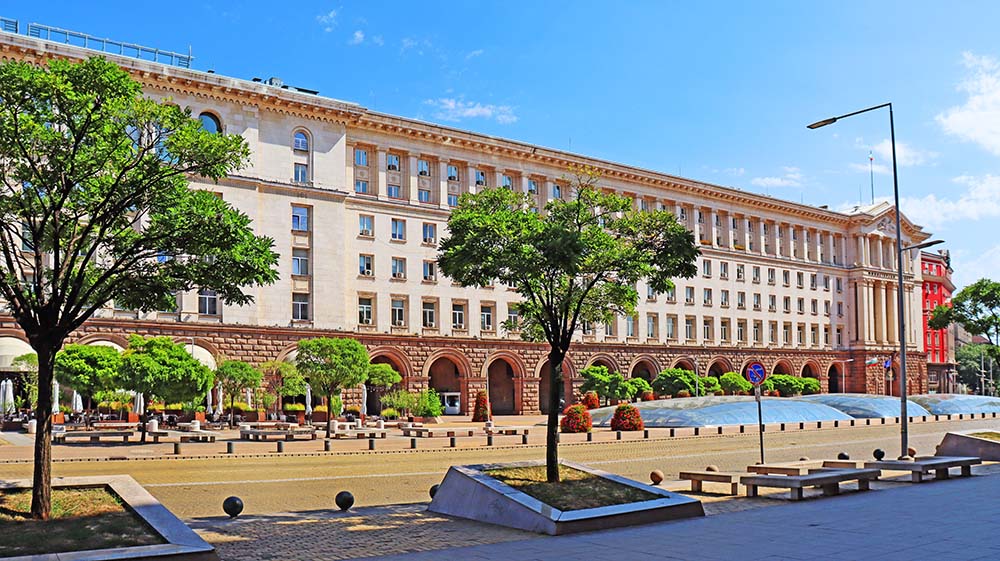
Sofia has the country's widest range of malls, boutiques, markets and souvenir shops.
Vitosha Boulevard is Sofia's main pedestrian shopping street, with fashion stores, cafés and restaurants. Saborna Street has higher-end boutiques, while Pirotska Street offers clothing, shoes and jewellery at a range of prices.
City Center Sofia on Arsenalski Boulevard is a centrally located mall. Check its current tenant list before visiting.
Mall of Sofia is one of the most popular shopping complexes on Alexander Stamboliyski Boulevard. There are shops of famous brands, restaurants, and an IMAX cinema here.
Paradise Center on Cherni Vrah Boulevard combines fashion, beauty, dining and entertainment. Current tenants and opening hours are listed on the centre's website.
The Serdika Center on Sitnyakovo Boulevard offers fashion, footwear, services and dining.
TSUM is a landmark building in central Sofia. Its current retail use has changed over time; nearby streets still have souvenir and craft shops.
The Mall on Tsarigradsko Shose offers international and Bulgarian brands, dining and entertainment. Individual tenants change over time.
Plovdiv
Mall Plovdiv is a large shopping mall located on Peruschitsa Street. It features stores of electronics, shoes, household goods, and clothing.
The Plovdiv Center district and Knyaz Alexander I Street contain fashion boutiques, cafés and souvenir shops.
Varna

Varna has city-centre shops and several malls with cinemas, cafés, children's facilities and fitness services. The choice is smaller than in Sofia but still broad.
Grand Mall Varna . This mall near the bus station on Academician Andrei Sakharov Street hosts a wide range of fashion, services and dining. Check the current directory for brands and promotions.
Mall Varna on Vladislav Varnenchik Boulevard has changed tenants and uses over time. Confirm its current retail and entertainment offer before making a special trip.
Boulevard of Prince Boris I is a street in the resort town with many entertainment venues, shops and restaurants. In the boutiques you can find goods from world and Bulgarian clothing brands (Dika, Terranova, Max Danieli, Capasca, Mango, Escada, Benetton, Miro), and souvenir shops. The retail outlets offer marine-themed crafts and swimwear.
Burgas
Aleko Bogoridi and Aleksandrovska streets are Burgas's main pedestrian shopping areas, with fashion, cosmetics, cafés and local souvenirs.
The modern Mall Burgas Plaza offers shops, parking, dining and family entertainment. The original tenant list is outdated; consult the mall's current directory.
Three-storey shopping center Mall Galleria Burgas . This mall on Yanko Komitov Street combines Bulgarian and international brands with dining and entertainment.
Tria City Center near the central square has fashion, accessories and jewellery shops. Brands, prices and discounts vary, so check the current directory and compare before buying.
Nessebar
Nessebar's Old Town has galleries and shops selling paintings, ceramics, glass, leatherwork and other crafts. Hristo Kudev, Khan Krum and Otets Paisiy streets in the newer town have everyday retail and fashion stores.
sunny Beach
Royal Beach Mall is a resort shopping centre with fashion, beauty, sports and convenience retail. Janet near Nessebar and local supermarkets offer groceries and household goods; prices and language support vary.
Golden Sands
Golden Sands has beachwear, convenience stores, souvenir shops and some fashion retail. Brand availability changes by season.
Markets in Bulgaria
Every Bulgarian city has a market with fresh products from farmers: vegetables, fruits, cheeses and spices. And if you want to find something unusual, then look at a flea market or a souvenir shop.
Flea market in Sofia is an antiques and souvenir market near Alexander Nevsky Cathedral. Vendors offer crafts, embroidery, icons, coins and vintage items. Operating times and prices vary.
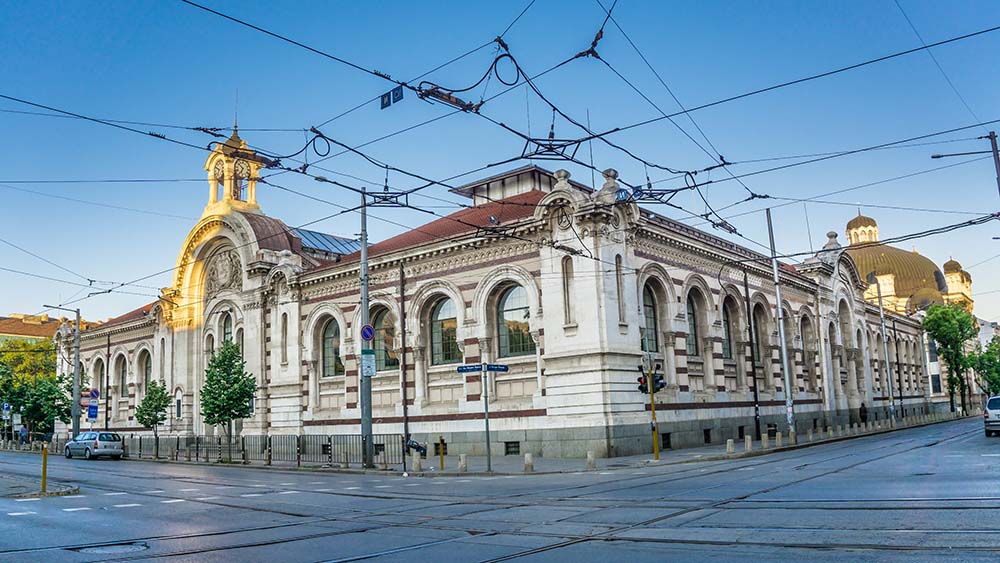
The central indoor market in central Sofia opened in 1911 and is known for its façade, city coat of arms and clock tower. Its interior use and tenant mix have changed, so check current access before visiting.
The Women's Bazaar offers fresh produce, food, cosmetics, textiles and household goods along Stefan Stambolov Boulevard. It is one of Sofia's long-established market areas.
The Sofia Second-hand Book Market offers second-hand, rare and antiquarian books for collectors and casual readers.
The Blue Pazar market near Varna Cathedral sells fruit, vegetables, clothing and locally made goods. Product range and opening hours vary by stall and season.
Chataldzha in Varna has antiques, vintage and second-hand items. Check current opening hours rather than assuming round-the-clock operation.
Market Krasnodar in Burgas sells fresh produce, Bulgarian cheeses, cured meats and seafood. Prices vary by vendor and season.
The Hali grocery market in Plovdiv has been operating since 1908. Operates six days a week from 07:00 to 18:00. The market is closed on Sunday. This is a pleasant place for early morning shopping. On the ground floor they sell food, and on the second floor there are clothing and shoe stores.
“Bazart na Grafa” on Graf Ignatiev Street in Plovdiv has traditionally sold second-hand books and other inexpensive goods. Avoid counterfeit products.
Raicho is a daily market area in Plovdiv with inexpensive clothing and general goods. Check quality and authenticity before buying.
Outlets
The Outlet Mall Outlets may sell past-season stock, end-of-line products or items with minor defects. Check the return policy, condition and authenticity rather than relying on the advertised discount.
Sofia Outlet Center is described in the original article as an outlet centre on Tsarigradsko Shose. Its tenant list and discounts may have changed; confirm the current location and directory before visiting.
Tips for tourists

Bulgaria offers shopping options across a wide range of budgets.
-
Compare prices outside the busiest tourist areas, but do not assume every resort shop is more expensive.
-
Souvenirs in Pomorie are cheaper than in Nessebar.
-
When purchasing textile goods (tablecloths, towels, blankets), make sure that the fabric is of high quality, the seams are even, and the fittings are strong. We recommend that you carefully examine and touch the product from all sides to ensure its quality.
-
Look for signs such as “seasonal sale” or “clearance”. Discount periods and percentages vary by retailer.
-
Don't miss the fairs - this is a great way to save money on buying goods from local producers.
-
Buy beachwear and winter equipment manufactured under license by the end of the season.
-
Non-EU residents may qualify for VAT-free shopping when current legal conditions are met. Ask the retailer for the correct form and verify the minimum purchase, export and customs rules before relying on a refund.
What to bring from Bulgaria
A locally made souvenir can be a practical reminder of a trip to Bulgaria.
Cosmetics and perfume
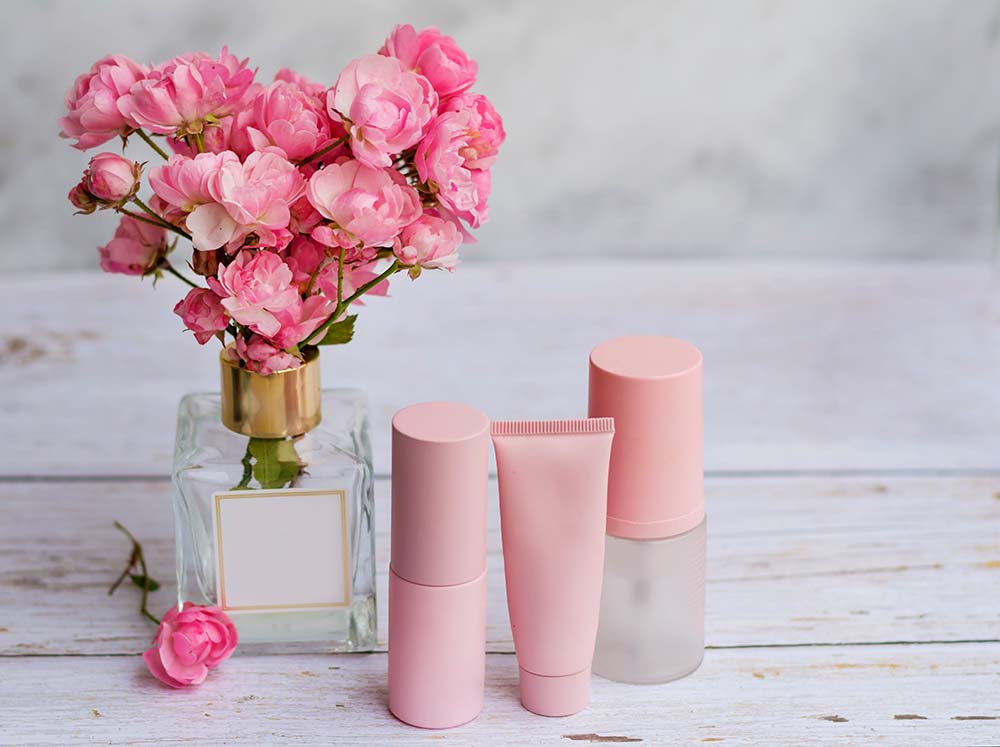
Bulgaria produces high-quality cosmetics with rose extract. Local cosmetic brands are famous not only in the country. Take a closer look at Refan skincare products, Lema perfumes, creams and rose water from Rose of Bulgaria and Karlovskaya Rose. These national products are sold in large stores and private shops throughout the country.
Bulgarian rose-based perfumes are sold in specialist shops, pharmacies and souvenir stores. Check the ingredients, producer and current price before buying.
Clothes and shoes
Clothing in Bulgaria is available in various price segments. Along with cheap things, there are clothes and accessories from expensive European brands. However, not all things on the market are worthy of attention.
Handmade . Bulgarian makers sell hand-knitted tablecloths, shawls, aprons, socks and other textiles. Materials, language and willingness to negotiate vary by seller.
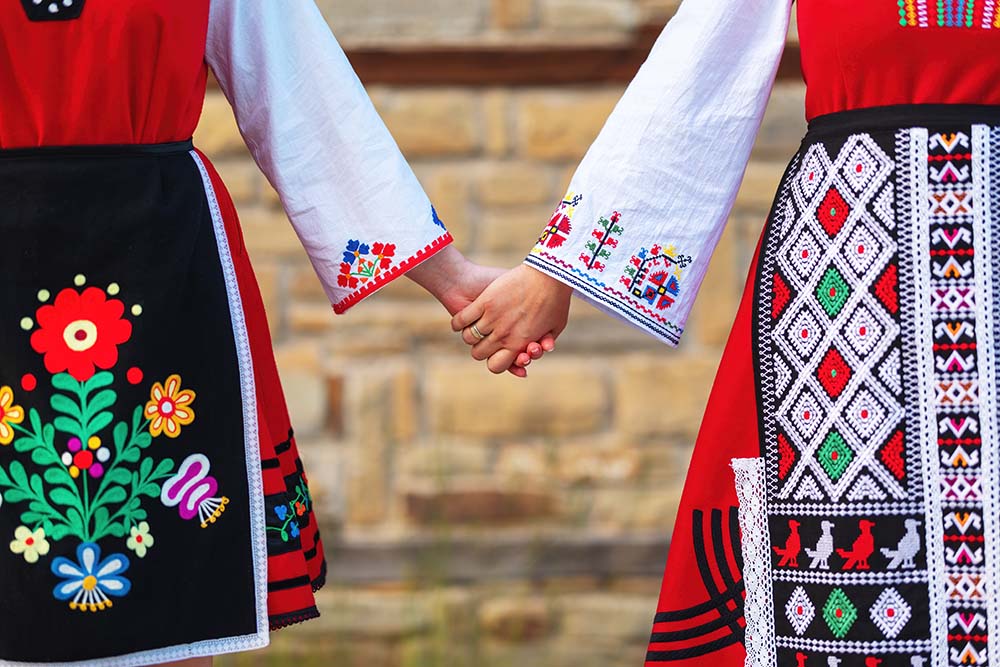
National costumes are colorful wide trousers, jackets, vests with embroidery, felt hats and leather boots, white shirts, sundresses, belts, scarves. They have complex patterns and vibrant colors: red, blue, green, yellow and orange. If you or your loved ones love such things, you should look for them in markets or tourist shops. They will be a wonderful gift or souvenir that will remind you of your trip to this country.
You can look for leather footwear from Bulgarian manufacturers Gioielli, Gioconda, Bulgaria Shoes, D&D, Margo, Estil, Enzo Nori, Mat Star, Tendenz. You can find it in specialized stores or in the shoe departments of large malls. Look for shoes marked “made in Bulgaria”. Prices start from 50 leva, and on sales you can find great shoes for 25 leva.
Jewelry and souvenirs
Silver jewellery is widely available in both modern and traditional designs. Check the hallmark, weight, seller and receipt when buying silver, gold or gemstones. Historical price examples in this article are not current.
Copper jewelry in the form of earrings, bracelets, necklaces, rings is made by Bulgarian craftsmen in the traditional style by hand. You can find such jewelry in markets and artisan shops. Jewelry stores sell factory-made jewelry from the collections of Bulgarian manufacturers. Beautiful jewelry is often made in a nautical style and with personalized engraving.
Leather products include belts, bags, wallets, bracelets and small decorative items. Quality and materials vary, so inspect stitching and hardware.
Fridge magnets, badges, figurines and commemorative tokens are sold in souvenir shops and market stalls.
Tableware and textiles
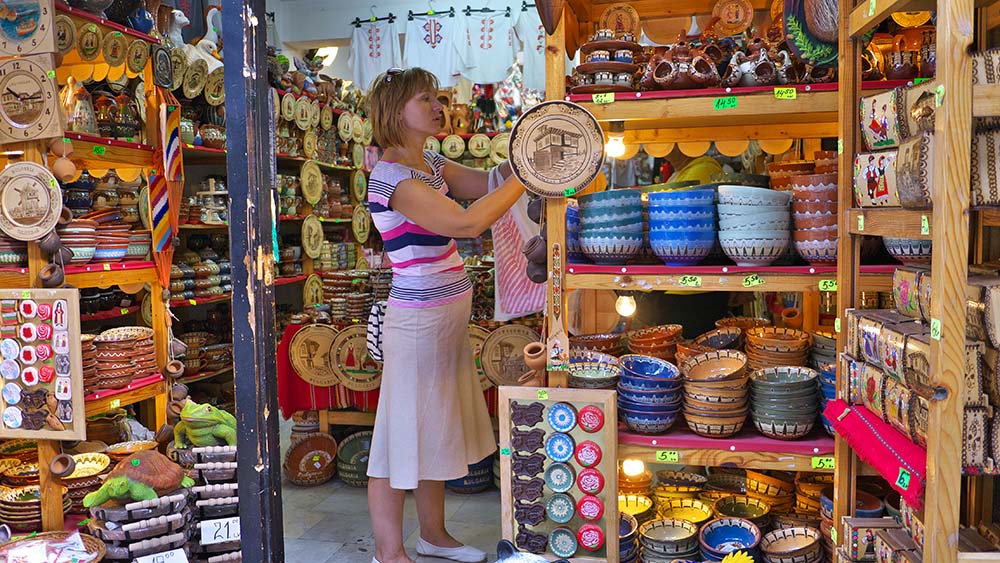
Bulgarian ceramics are known for regional patterns such as Troyan decoration, created with layered lines and drops of colour. Troyan, Berkovitsa and Gabrovo are associated with traditional crafts; prices vary by maker and shop.
Copperware is available in markets and craft shops, including coffee pots, trays, plates and decorative pieces. Choose by workmanship rather than gendered gift assumptions.
Knitted tablecloths and embroidered textiles are sold in craft centres, markets and souvenir shops. Ask whether an item is handmade and what materials were used.
“Shaggy carpets” made from sheep's wool are associated with different regional weaving traditions. Production time, materials and authenticity vary by maker.
Food and drink
Bulgarian food reflects Balkan, Ottoman, Mediterranean and Slavic influences. Packaged foods and drinks are sold in supermarkets, markets and specialist shops.
Deo Perfume Candy is a rose-flavoured confectionery product. Check the ingredients and allergy information before buying.
Mursala tea is a herbal infusion made from Sideritis plants. It is enjoyed for its flavour, but it should not be presented as a treatment for medical conditions.
Lyutenitsa is a sauce made from boiled vegetables. In Bulgaria they love it for its rich taste and aroma. The sauce is added to scrambled eggs, soup, stew, greased on toast, served with meat, fish or vegetables.
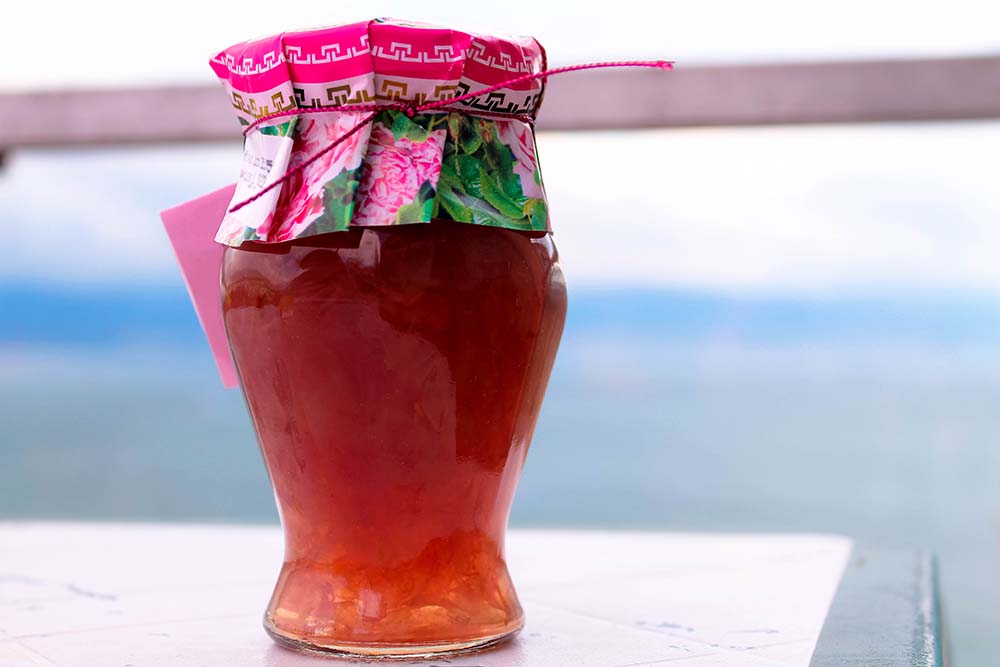
Jam made from rose petals, figs or quince is a common food souvenir. Check the ingredients and storage instructions.
Honey is an authentic sweetness that Bulgarians add to tea, yogurt, baked goods, marinades, and salads.
Bulgarian honey includes acacia, lavender, sunflower and honeydew varieties, sometimes sold in decorative packaging. Prices and import allowances depend on the destination country, so check current customs rules.
Spices (“tweaks”) . In Bulgarian cuisine there are kimion, chubritsa, sharena sol, mascherka, smidukh, caramfil, Indian nut, “sherena sol”. Spices are used in almost all dishes as a universal seasoning for meat, fish, vegetable dishes, and baked goods. A beautifully packaged seasoning for up to 10 leva is an original and useful souvenir for chefs.
Bulgarian sweets are often of oriental origin. Perfect as a souvenir for those with a sweet tooth. You can buy tulumbichki, Turkish delight, and marshmallows. Prices up to 5 leva. They last quite a long time and tolerate transportation well.
Cheeses with the traditional names Kashkaval, Sirene, Crema Sirene, Topeno and Signo Sirene are also taken from Bulgaria as gifts. 200–300 grams of cheese cost up to 10 leva.
Popular varieties of sausages are Lukanka, Sushenitsa, Sujuk, Fillet Elena and Pastarma at prices ranging from 10 to 25 leva per kilogram.
Alcoholic Drinks include wine, rakia, menta and mastika. Prices in the original article are outdated; compare current shop prices and check duty-free allowances for your destination.
Use this guide as a starting point and verify current shops, opening hours, prices and customs rules before buying.

