







.jpg)



Choosing where to live in Bulgaria is as important as choosing the property itself. A successful purchase can still be a poor fit if the location does not match daily needs.
This guide compares regional cities, coastal resorts, suburbs and villages. There is no single best choice.

Burgas, Varna and nearby towns
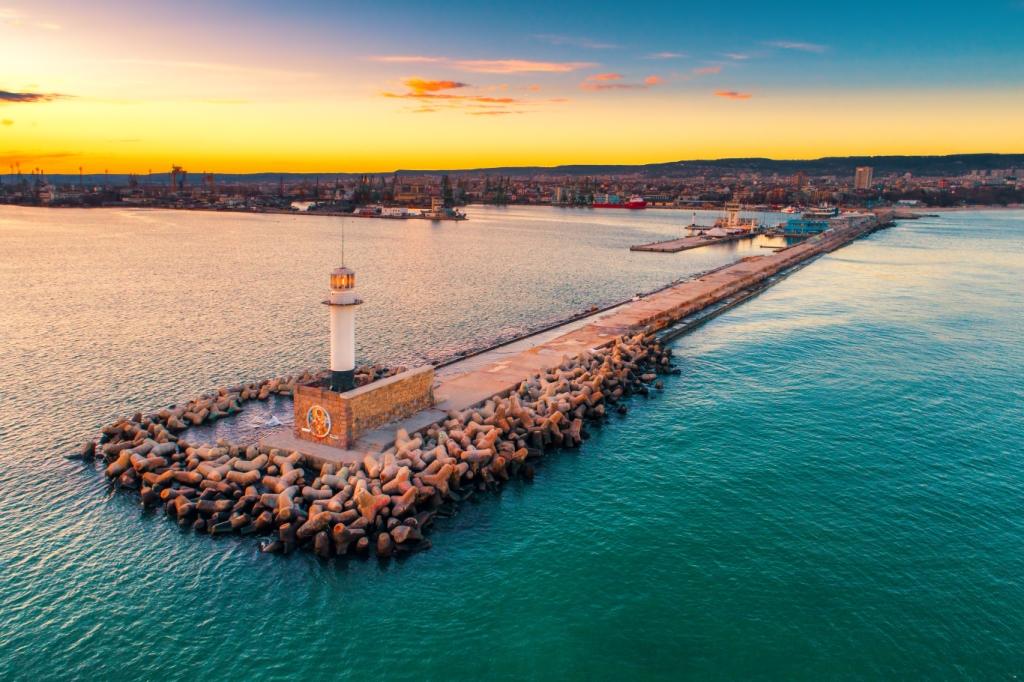
Burgas and Varna are both major Black Sea cities, but they differ in size, neighbourhoods, transport links and property prices. Visit both and compare the services you will actually use.
They are regional centres rather than purely seasonal resorts. This usually means more year-round employment, healthcare, education, shopping and transport, along with heavier traffic and a faster pace.
For smaller coastal locations within reach of a city, buyers often compare places such as Pomorie and Ravda.
Why regional cities suit some retirees
- Hospitals, pharmacies, banks, shops and public transport are available year-round, although access varies by neighbourhood.
- Many city properties have lower resort-style management fees, but every building still needs its actual maintenance costs checked.
Possible disadvantages Traffic, noise, higher prices in desirable districts and the need to use Bulgarian in everyday administration.
Related guide: Moving to Bulgaria as a pensioner
Why regional cities suit some families
- Larger cities generally offer more schools, activities, healthcare and employment options.
- School quality, language support and admissions are not guaranteed by the size of the town. Check the exact school, catchment rules, teaching language and available support before choosing a neighbourhood.
Do not rely on anecdotes about Russian-speaking classmates or claims that every municipal school meets the same standard. Speak directly with schools and families using them.
Coastal resort towns
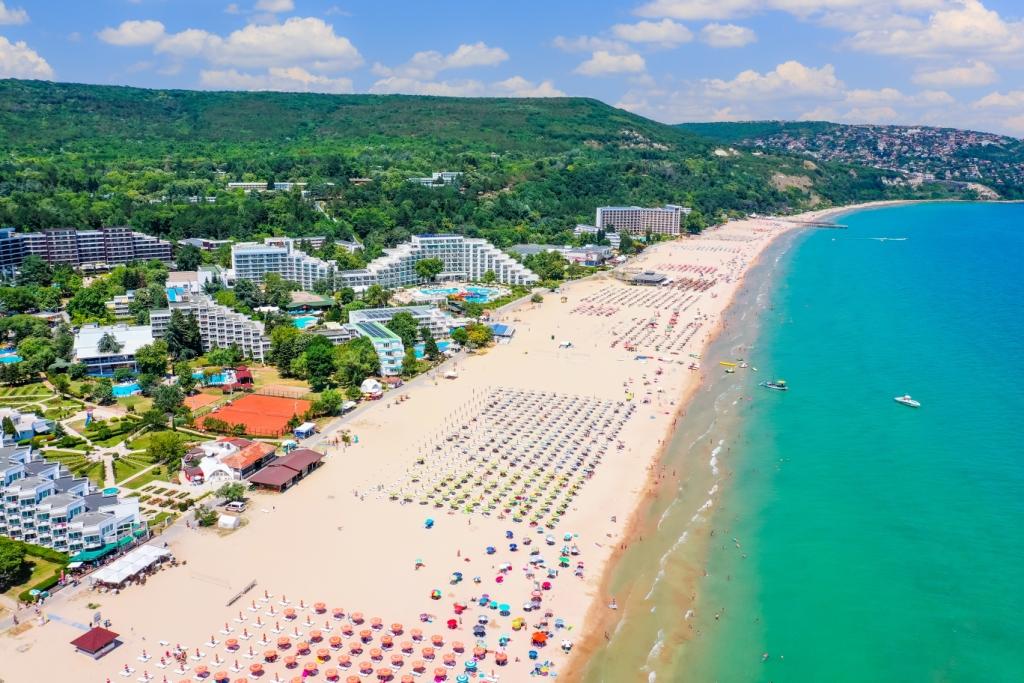
Some buyers choose coastal resorts for seasonal work, holidays or a quieter lifestyle. Year-round population and services differ sharply between resorts.
Popular locations include Sts Constantine and Helena, Sveti Vlas, Sunny Beach, Nessebar, Ravda, Pomorie, Sozopol. Compare the exact neighbourhood rather than assuming every resort has year-round infrastructure.
Possible advantages:
- Short distances between neighbouring resorts and regional centres, depending on the road and traffic.
- Access by car can be convenient, but public transport and winter timetables must be checked.
- Managed complexes may offer pools, security and maintained grounds, with annual fees and service levels that vary widely.
- Some tourist areas have multilingual staff in season; this should not be assumed year-round or for official services.
- Restaurants and shops may cater to international visitors, but many close or reduce hours outside summer.
Living in a Bulgarian village
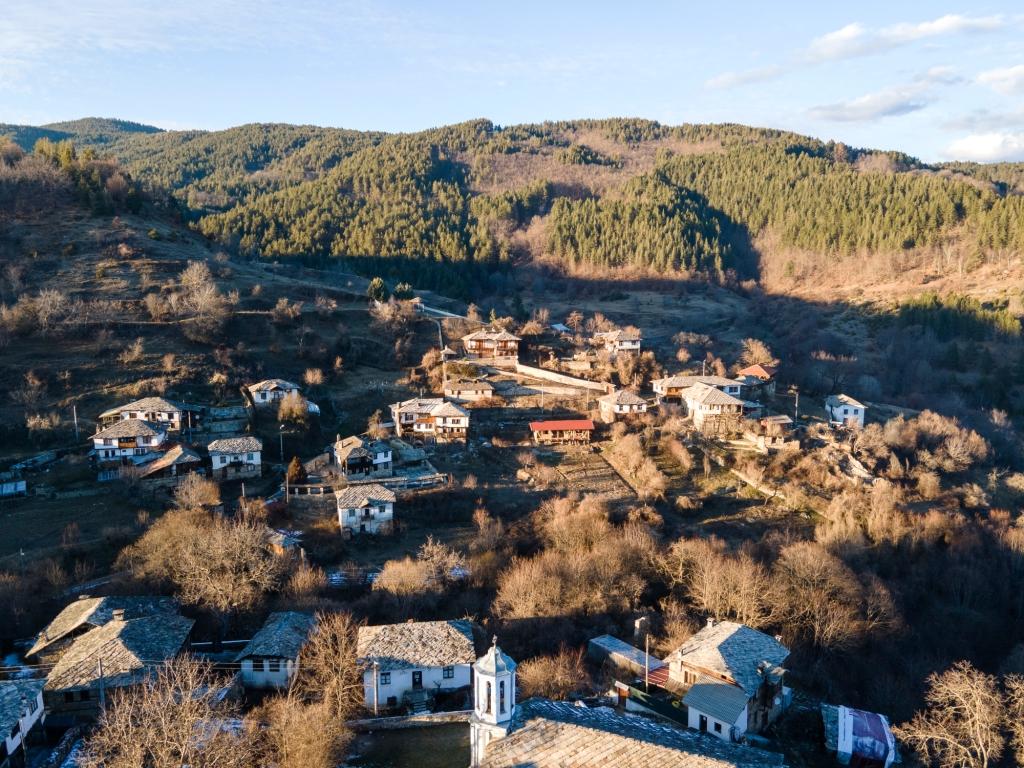
A village house can offer privacy, outdoor space and a lower purchase price, but it may also require renovation, a car and ongoing maintenance.
Travel times to the coast or city should be tested in real conditions. A claimed 10–15 minute journey may vary with the road, weather and traffic.
Population decline affects some villages, especially those farther from jobs and services. A low price alone does not show whether the property is suitable for permanent living or easy to resell.
- Year-round neighbours, noise, safety, access to shops, healthcare, transport and emergency services;
- The condition of the house, roof, utilities, drainage and likely renovation cost;
- Comparable sales, buyer demand and the realistic time and cost of a future resale.
Older or remote buyers can be especially affected by isolation, repairs and limited transport. Plan for support needs and do not assume a cheap house will retain its purchase price.
Summary
- Choose the location around the household's real daily needs. Families may prioritise schools and childcare; retirees may prioritise healthcare, walkability and year-round services; remote workers may need reliable internet and transport.
- Choose an apartment, managed complex or house only after comparing total costs, maintenance, access and resale demand. A private house can suit many buyers, but rural disadvantages should be budgeted rather than dismissed.
See also:

